https://www.lotric.si/wp-content/uploads/2026/09/Lotric-SLO-2.jpg

Salt Spray Test According to ISO 9227 or ASTM B117 – How Resistant Is the Surface Protection?

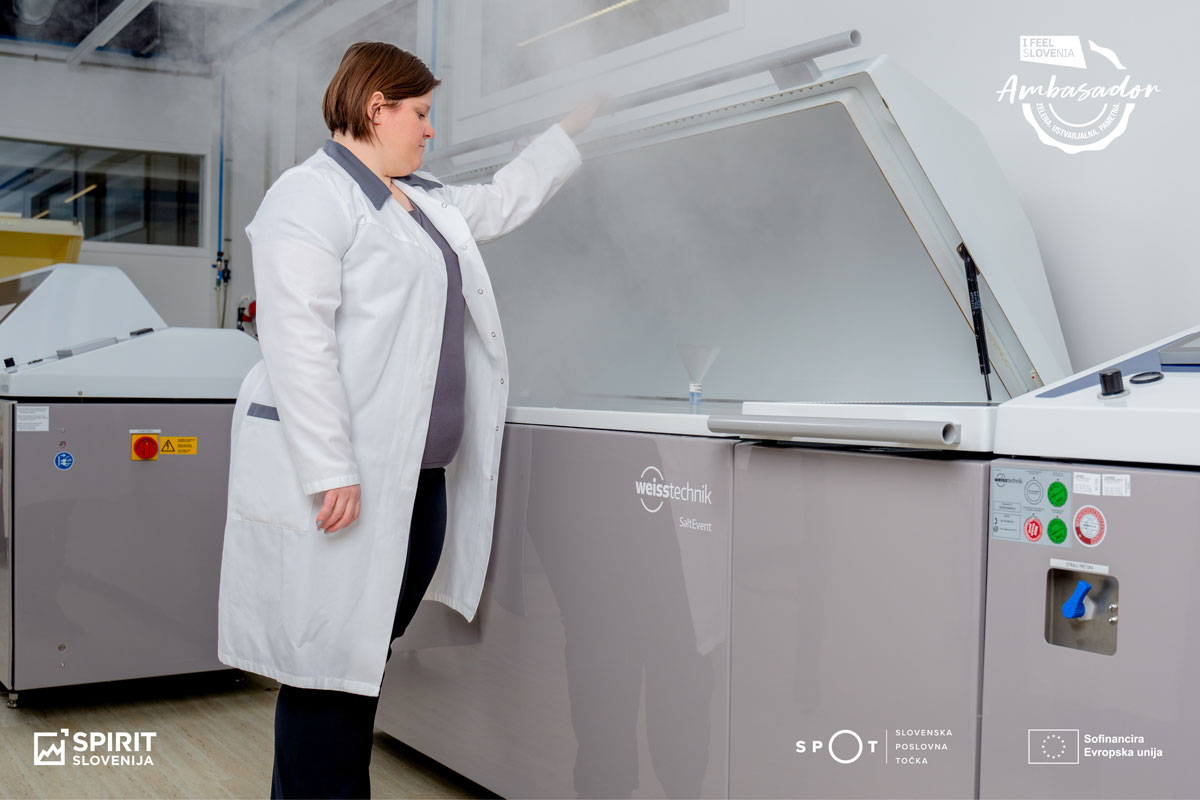
Corrosion can significantly affect the service life and functionality of a product. With a laboratory salt spray test according to ISO 9227 or ASTM B117, the resistance of a material or surface protection can be assessed before problems occur in use.

We most commonly perform the NSS (Neutral Salt Spray) test, in which samples are exposed to a sprayed salt fog – approximately a 5% NaCl solution at 35 °C.

The test is used to assess various materials and surface protection systems, including zinc-plated, chrome-plated, painted, powder-coated, passivated and KTL-coated surfaces, as well as stainless steels.

How long does the test take?

24, 96, 240, 480 or even 1,000 hours?
ISO 9227 and ASTM B117 specify the test conditions, but not a universal exposure time or acceptance criteria. These requirements are usually specified in the technical drawing, product standard or customer specification.

After exposure, we can assess, for example, the occurrence of white or red corrosion, the proportion of the corroded surface or other visual changes to the surface protection.

When we also want to know the cause

If the purpose of testing is to investigate a complaint or a failure of the surface protection, the salt spray test can be supplemented by a metallographic cross-section, coating thickness measurement or chemical composition analysis of the corrosion products.

This allows us to answer not only the question “Has the sample corroded?”, but also the more important one:

“Why did it corrode?”
If ISO 9227 or ASTM B117 is specified on the technical drawing or in the specification, it is important to correctly define the method, exposure time and evaluation criteria before testing begins.

The LOTRIČ Certificiranje laboratory can also assist you with this.


Contact us